10+ Creative Resume Designs for Graphic Designers That Truly Stand Out

Your resume is more than just a document – it’s your personal brand. In today’s competitive creative industry, graphic designers need resumes that instantly grab attention, showcase personality, and demonstrate design skills before the interview even begins.
A well-designed creative resume can help you stand out from hundreds of applicants, especially in industries like branding, UI/UX, advertising, motion graphics, and digital marketing. From minimalist layouts and infographic CVs to bold typography and experimental portfolio-style resumes, creative resume design has become a powerful tool for making a memorable first impression.
In this showcase, we’ve collected some of the most inspiring and creative resume designs for graphic designers from around the world. These unique CV examples combine smart layouts, visual storytelling, typography, and branding to prove that a resume can be both professional and visually striking.
Whether you’re updating your portfolio, applying for a design job in the USA, or simply searching for fresh inspiration, these resume ideas will help spark new concepts for your next CV design project.
Read also: CV Tips for Graphic Designers
Creative resume designs for graphic designers:
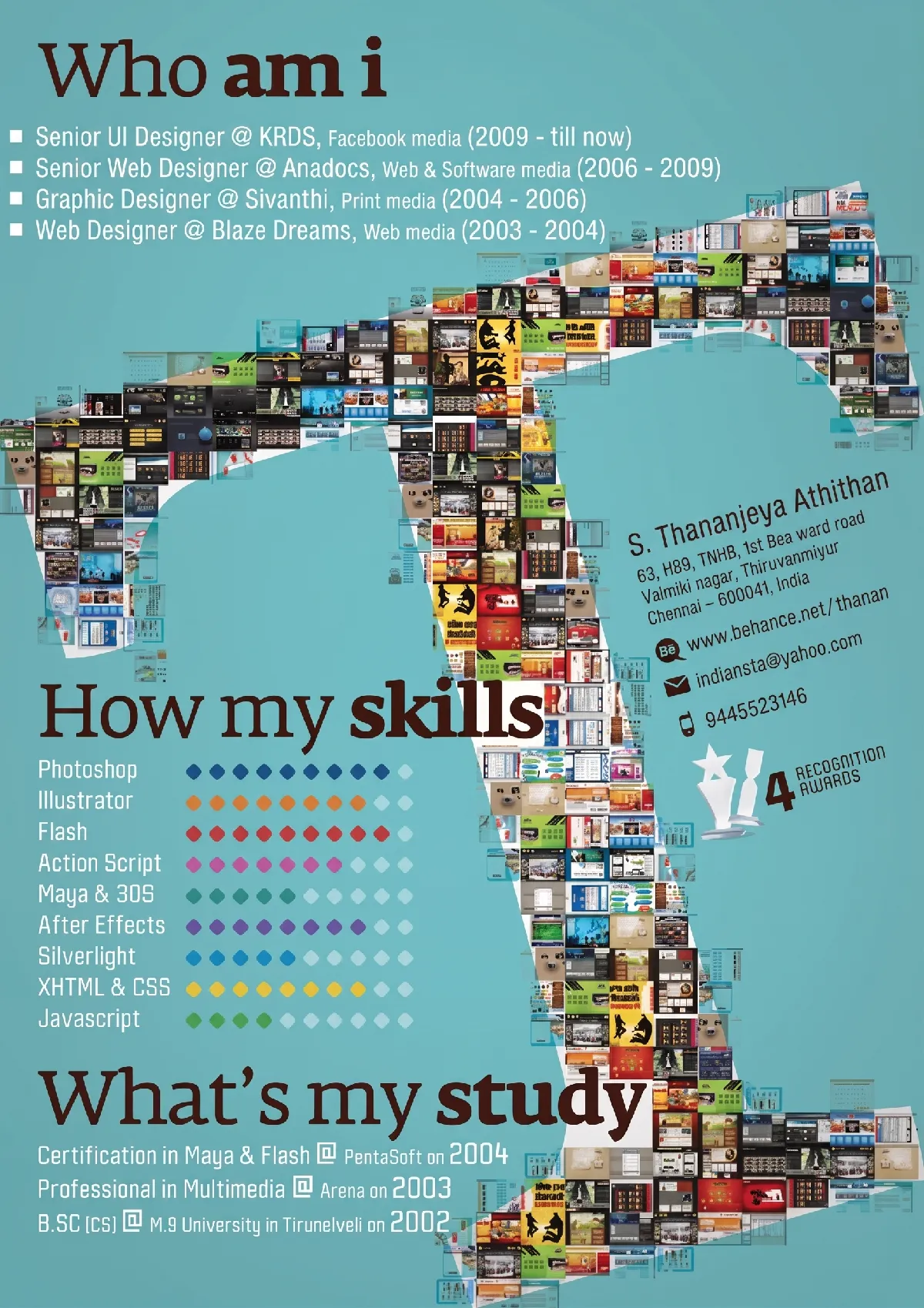
1. Mosaic Portfolio Resume Design
Creative infographic resume using portfolio thumbnails and skill visualization.
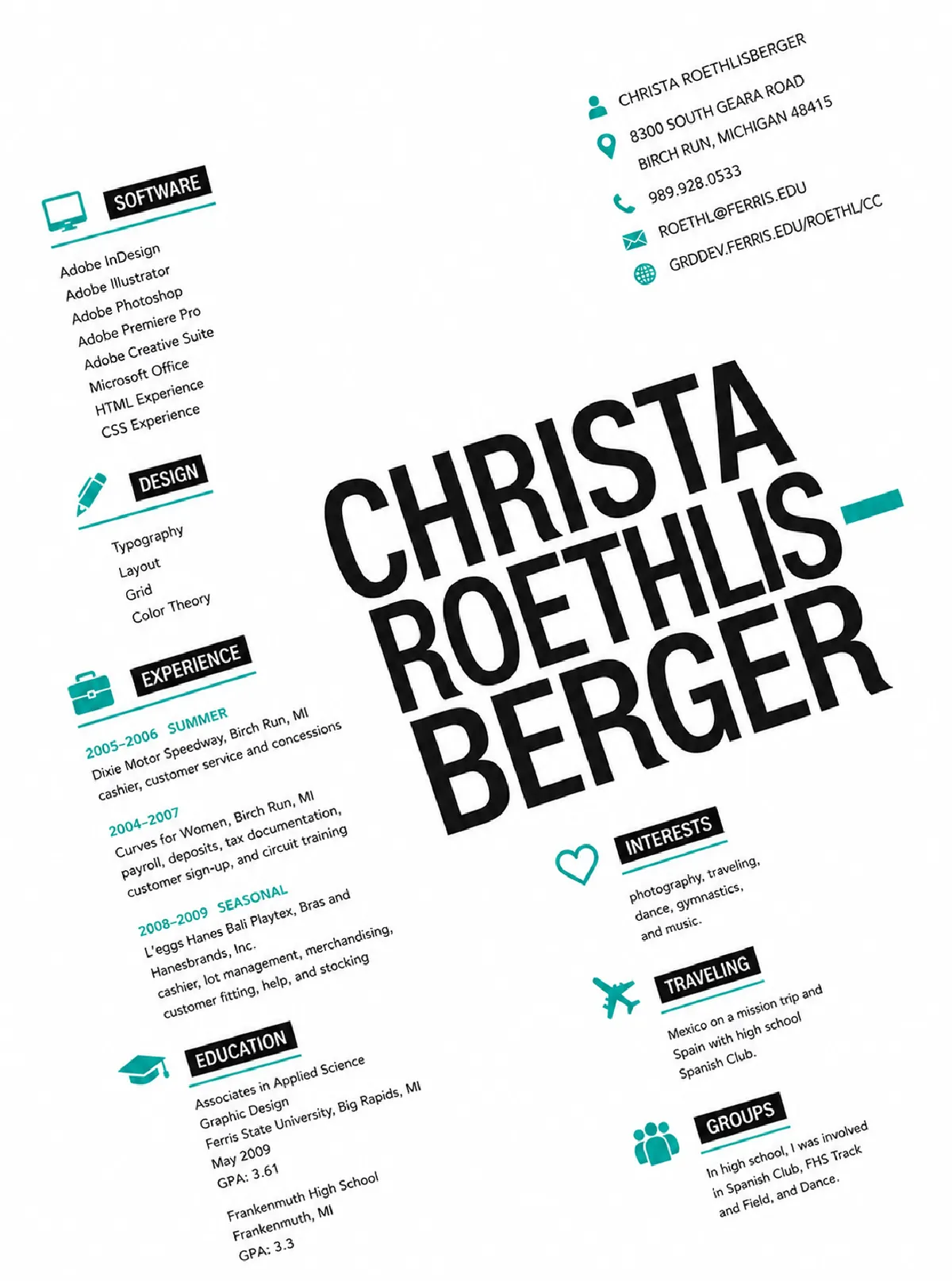
2. Minimal Typography Resume Design
Minimal typography-based resume design with clean modern layout.
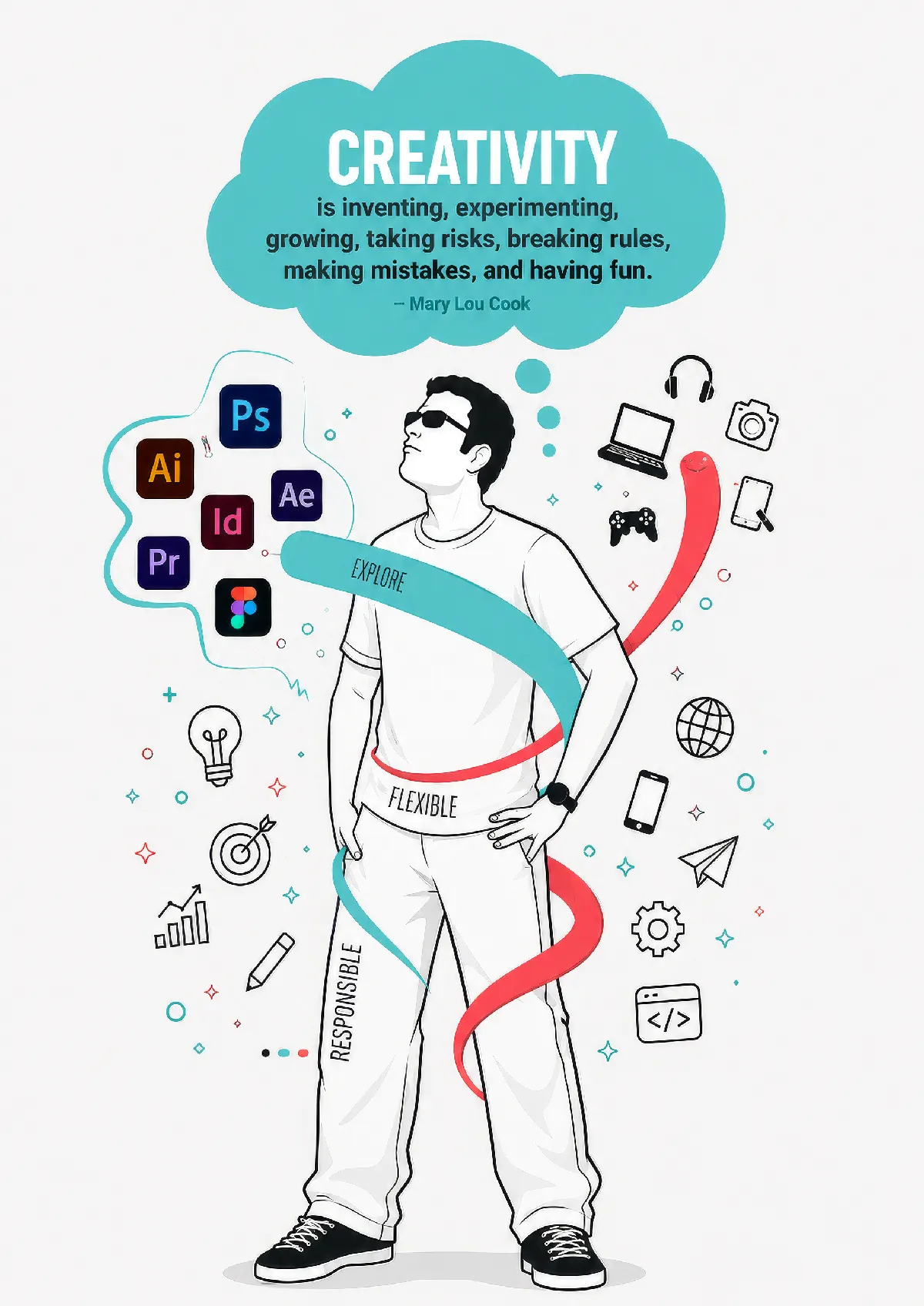
3. Illustrated Creative Resume Concept
Illustrated resume concept combining creativity, software skills, and visual storytelling.
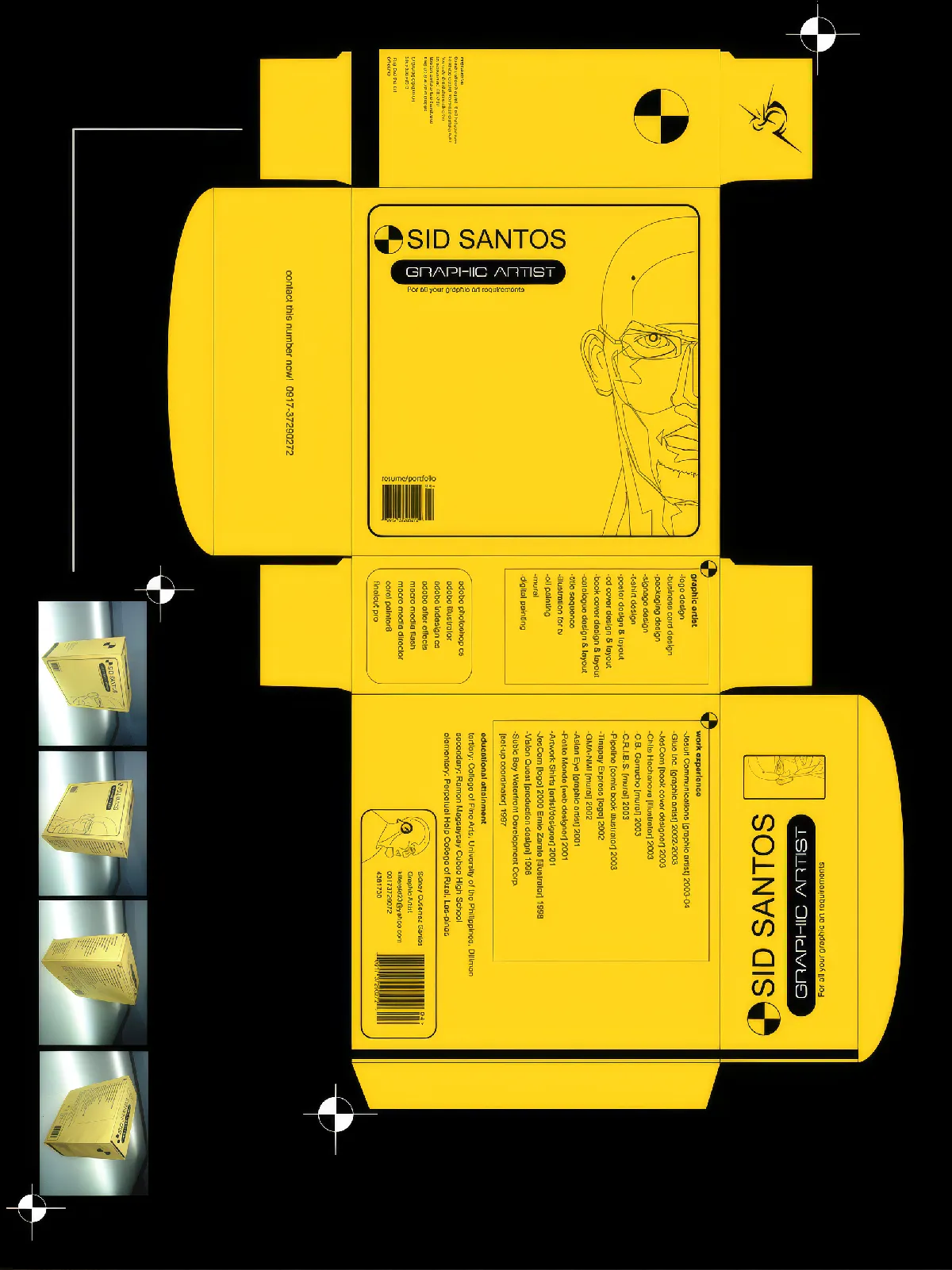
4. Packaging Style Resume Design
Unique packaging-style resume concept designed for graphic artists.
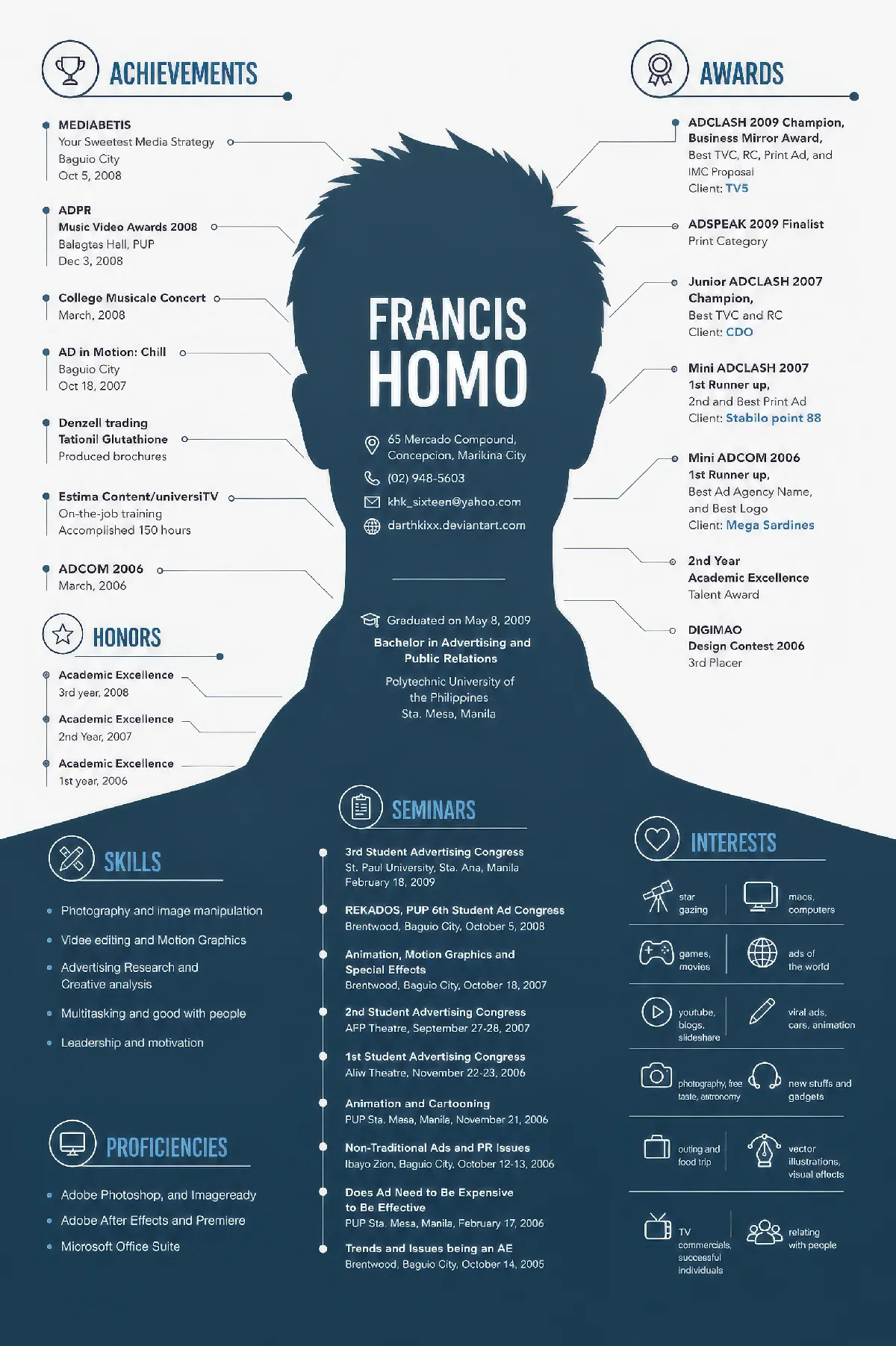
5. Infographic Silhouette Resume Layout
Infographic resume layout featuring achievements, awards, and professional skills.
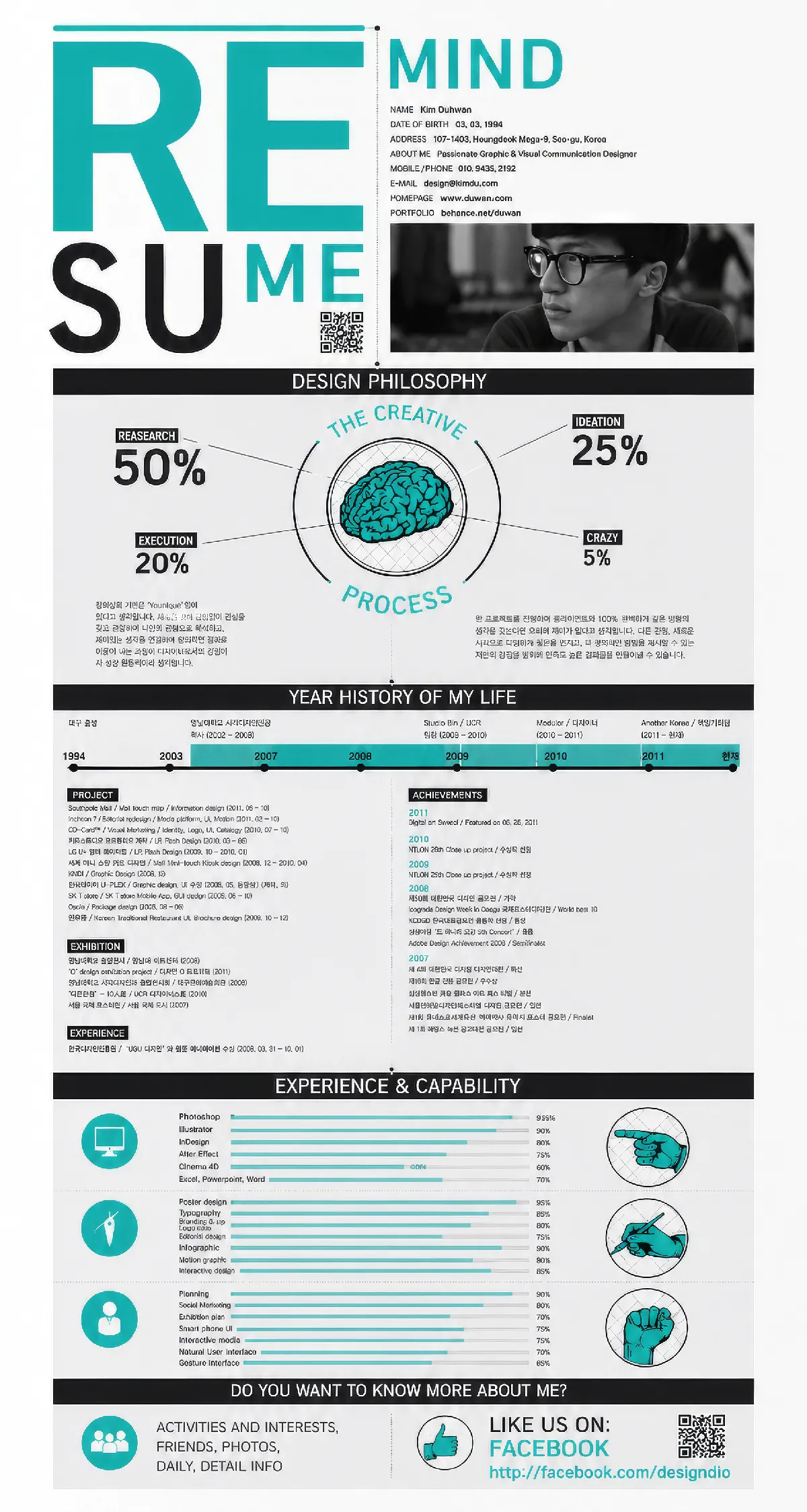
6. Timeline Infographic Resume Design
Modern timeline resume design with infographic style career presentation.
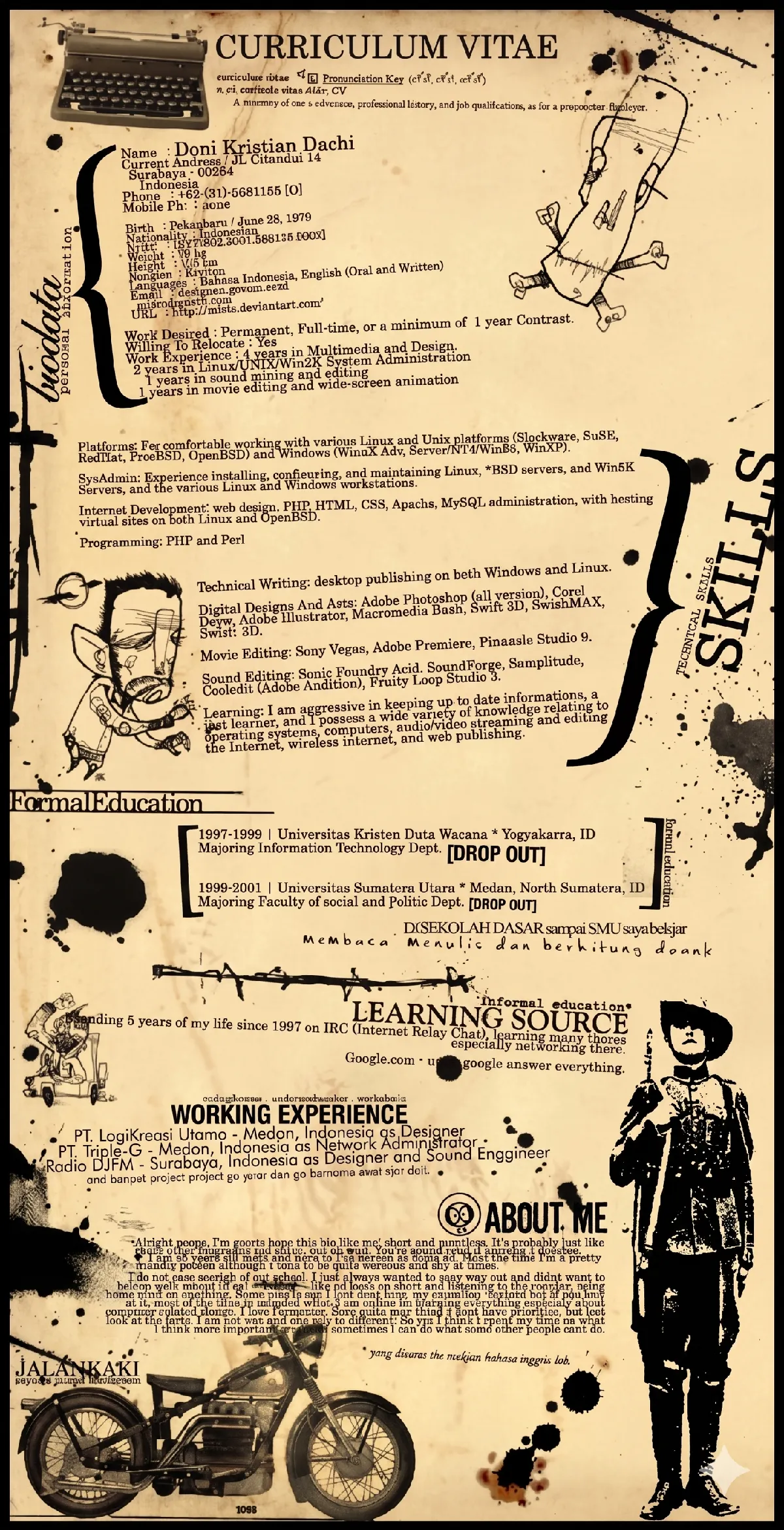
7. Vintage Grunge Curriculum Vitae Design
Vintage grunge resume design with artistic hand-drawn visual elements.
8. Colorful Infographic Resume Layout
Colorful infographic resume with timeline and creative visual hierarchy.
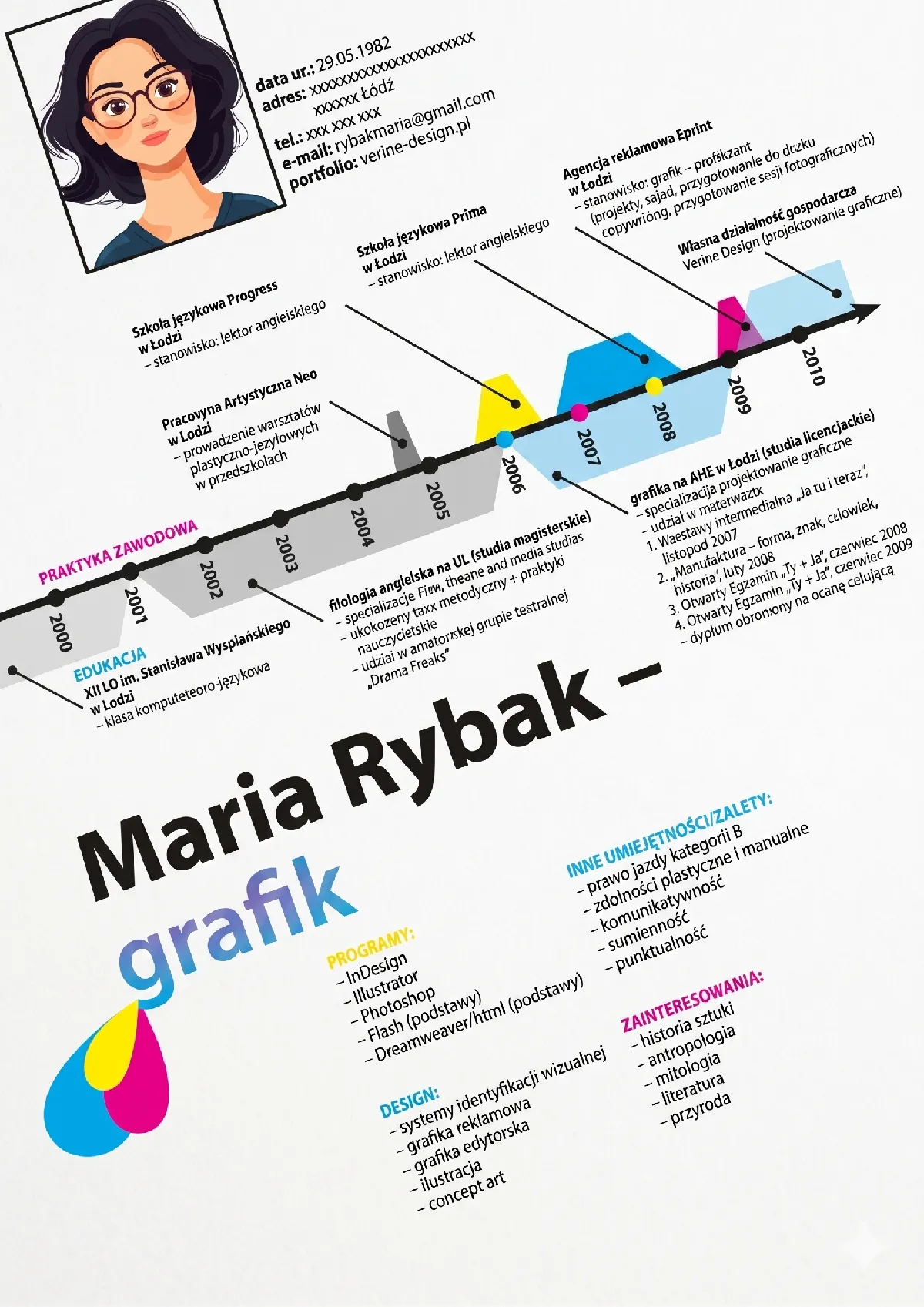
9. Typography Tree Resume Concept
Creative typography tree resume concept with experience and education branches.
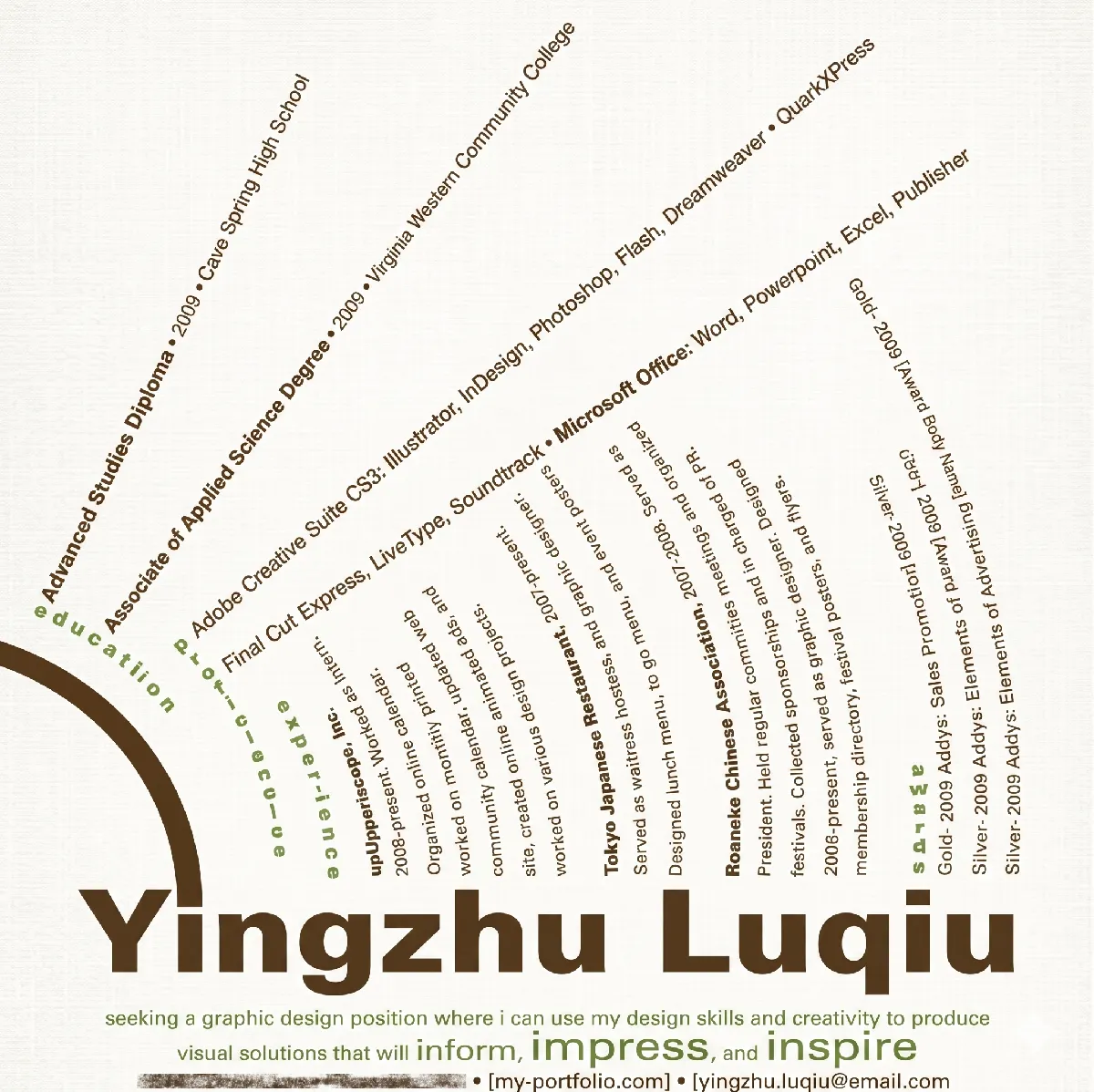
10. Comic Style Creative Resume
Comic-inspired resume design that tells a personal story through illustrations.
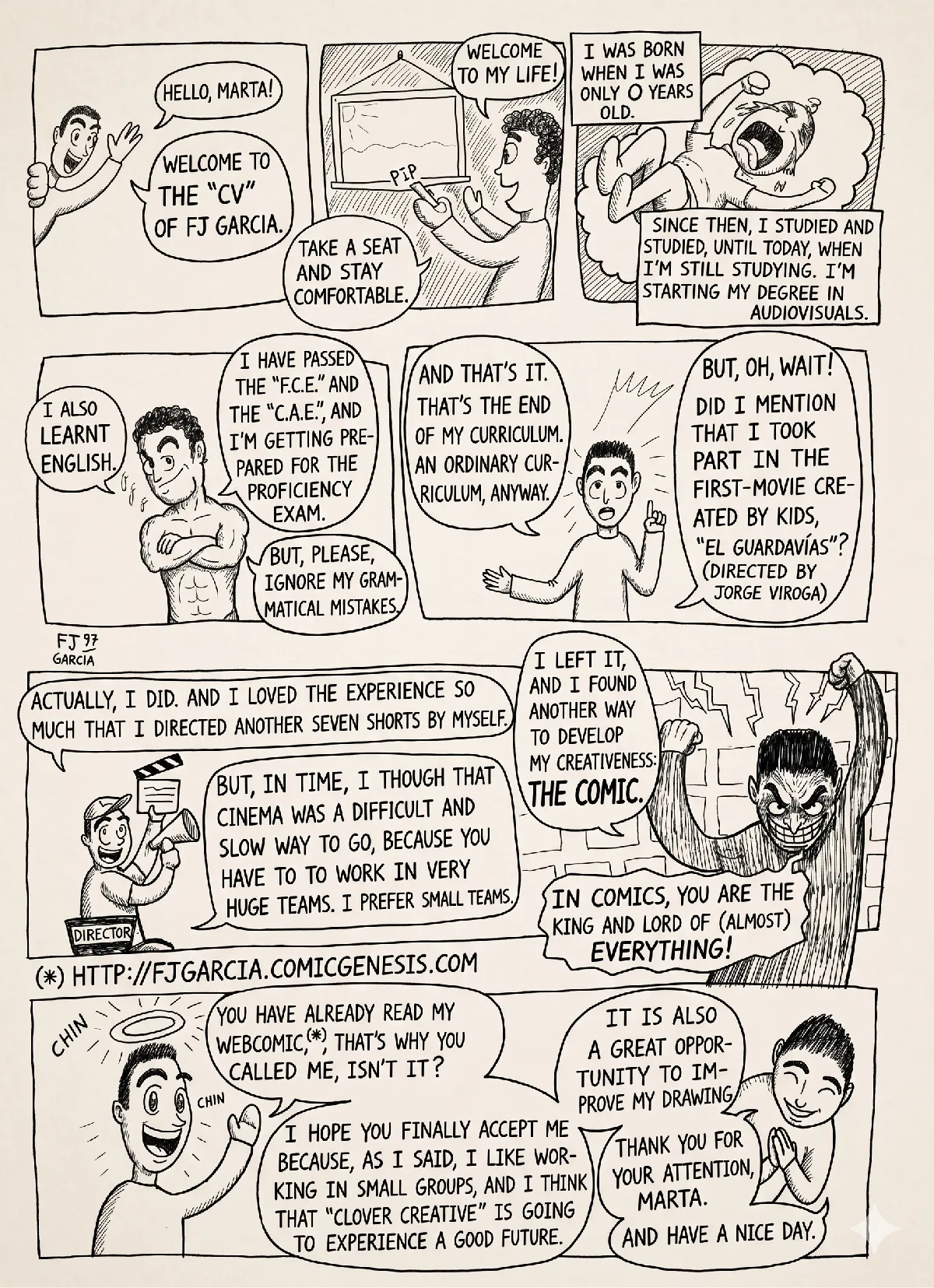
11. Minimal Character Resume Design
Minimal creative resume featuring character illustration and clean typography.
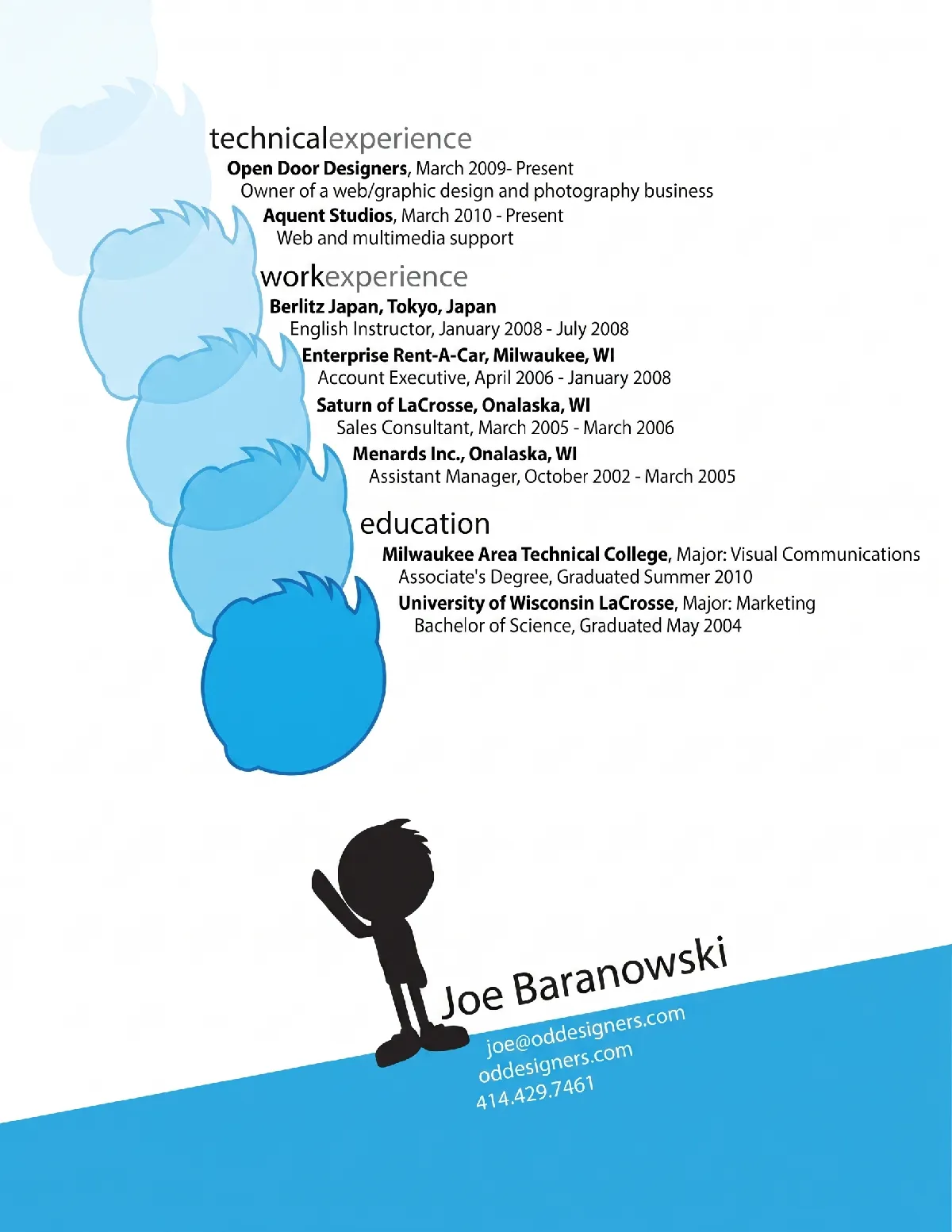
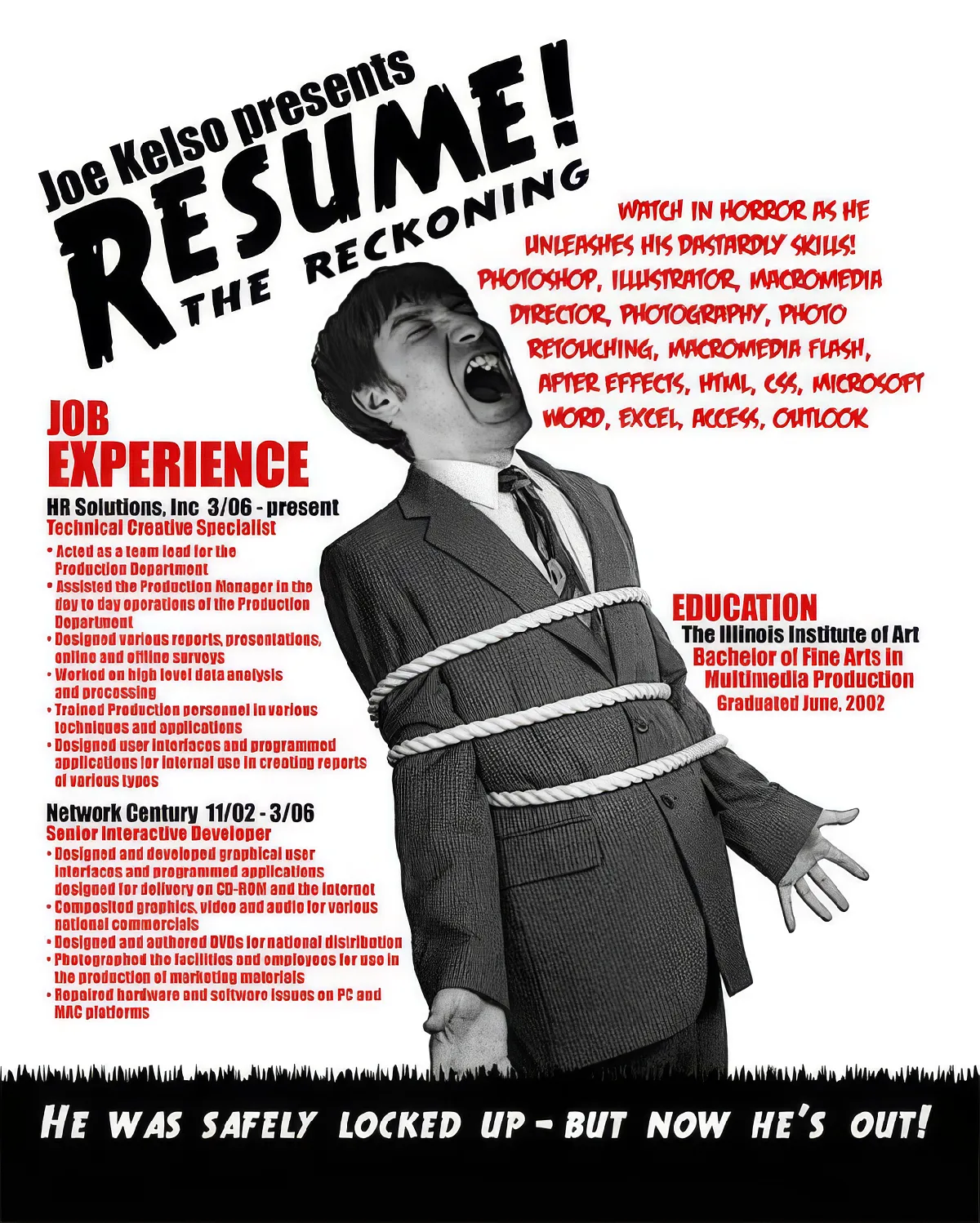
12. Movie Poster Inspired Resume Design
Movie poster style resume design with dramatic typography and bold presentation.
FAQs
Ans: A creative resume uses visual design elements like typography, colors, infographics, illustrations, and custom layouts to showcase both professional experience and design skills in a more engaging way than traditional resumes.
Ans: Yes. Creative resumes are highly effective for graphic designers because they demonstrate creativity, layout skills, branding ability, and visual communication — all essential skills in the design industry.
Ans: Graphic designers should include portfolio links, software skills, work experience, education, typography hierarchy, personal branding, and visual elements that reflect their design style and personality.
Ans: Yes. Many creative agencies, startups, and digital companies in the USA appreciate visually appealing resumes, especially for roles related to graphic design, UI/UX, branding, illustration, and multimedia.
Ans: Modern infographic resumes, minimalist typography layouts, and portfolio-style CVs are among the most popular resume formats for graphic designers because they balance creativity with readability.
Ans: A well-designed infographic resume can help designers stand out from other applicants by presenting skills, achievements, and experience in a visually memorable and professional way.
Ans: Yes, but colors should be used strategically. A limited and consistent color palette helps create visual hierarchy while keeping the resume clean and professional.
Ans: For most graphic designers, a one-page resume is ideal. Senior designers with extensive experience may use a two-page resume if necessary.
Don't Miss
Principles of Visual Design: Complete Guide for Designers

20 Common Mistakes Graphic Designers Make

7 Best Apps for Designers to Make Money (Passive Income 2026)
Y2K Aesthetic vs Neo-Brutalism: Which Trend is Winning in 2026?
Beyond Cold DMs: How to Build a 6-Figure Design Business via Word-of-Mouth Marketing