Dean Bradshaw Cinematic Editorial Photography: A Masterclass for Art Directors

In the high-stakes ecosystem of NYC and LA advertising agencies, generic visuals no longer cut through the noise. True brand dominance requires conceptual, high-impact imagery that challenges boundaries. Enter Dean Bradshaw, a powerhouse commercial advertising photographer and image maker based in Southern California who masterfully bridges the gap between commercial brand identity and high-end visual drama.
With an elite professional background in retouching and compositing, Bradshaw leverages highly advanced digital skillsets to craft pristine frames that would be impossible to bring to life otherwise. For the meticulous needs of his complex compositing workflows, he completely controls the image-making process from initial capture to final output—often deploying a rigorous combination of lights involving a minimum of eight fixtures to sculpt perfect shadow geometry.
‘I’m a very visual person,’ Bradshaw explains when detailing his creative ergonomics. ‘I like to create. I see photography as the intersection between the real world and the most abstract creative world. Photography, especially the kind of directed work that I do, means that I can arrange elements from the real world and turn them into art. I find that fascinating.’ For Bradshaw, this hands-on artistic philosophy turns commercial imagery into a global lifestyle, providing elite art directors with ultimate layout, framing, and color grading inspiration to effectively communicate high-converting visual ideas. If you enjoy emotionally driven monochrome compositions, you should also explore Haunting Black and White Portraits of Homeless People, a striking collection of raw and cinematic black and white photography.
1. Advertising photography by Dean Bradshaw

2. Advertising photography by Dean Bradshaw
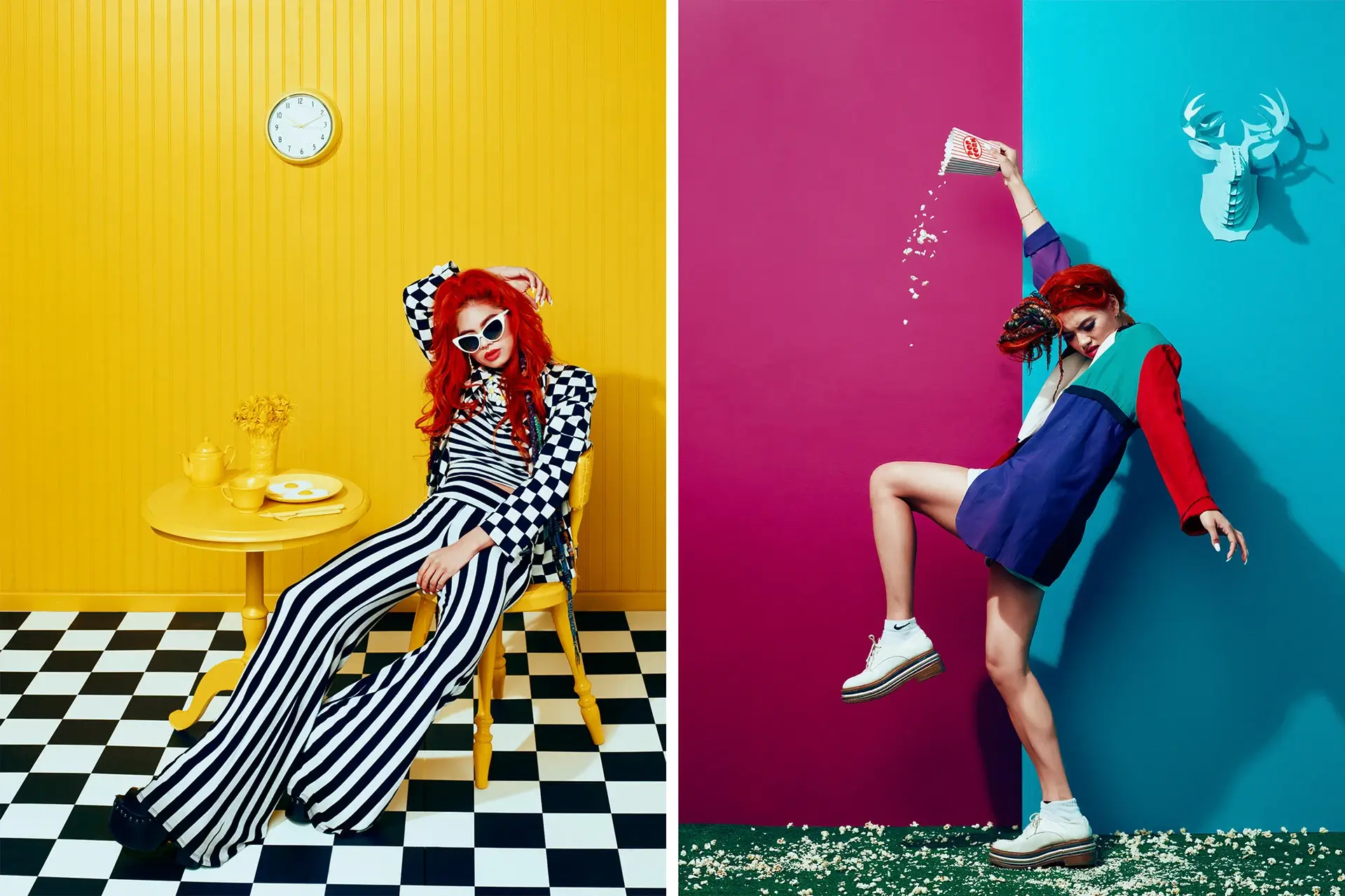
3. Advertising photography by Dean Bradshaw
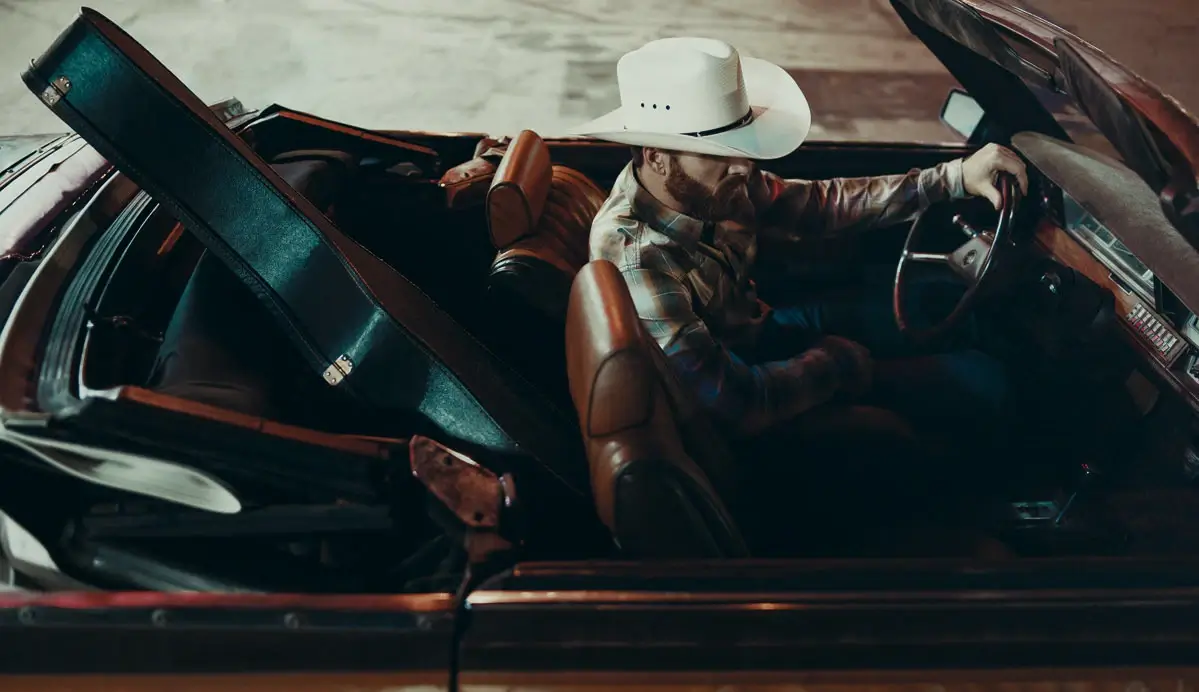
4. Advertising photography by Dean Bradshaw
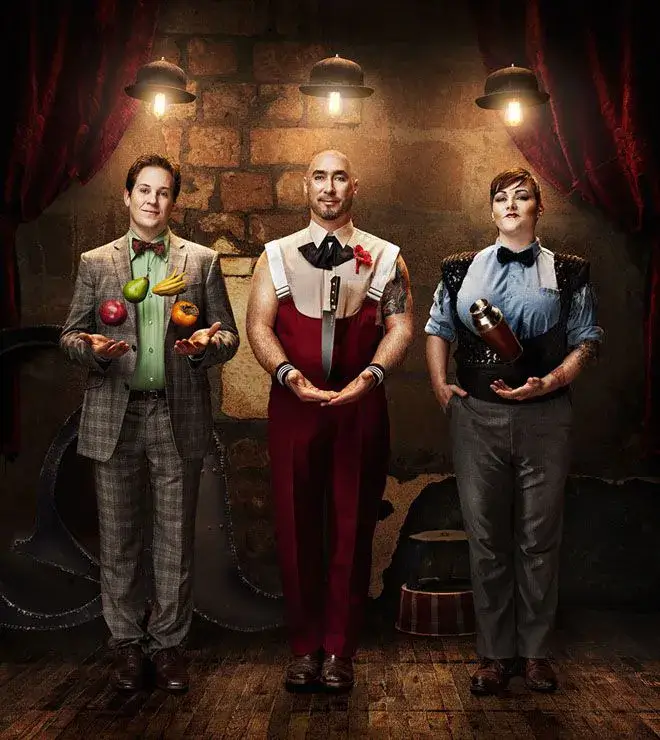
5. Advertising photography by Dean Bradshaw
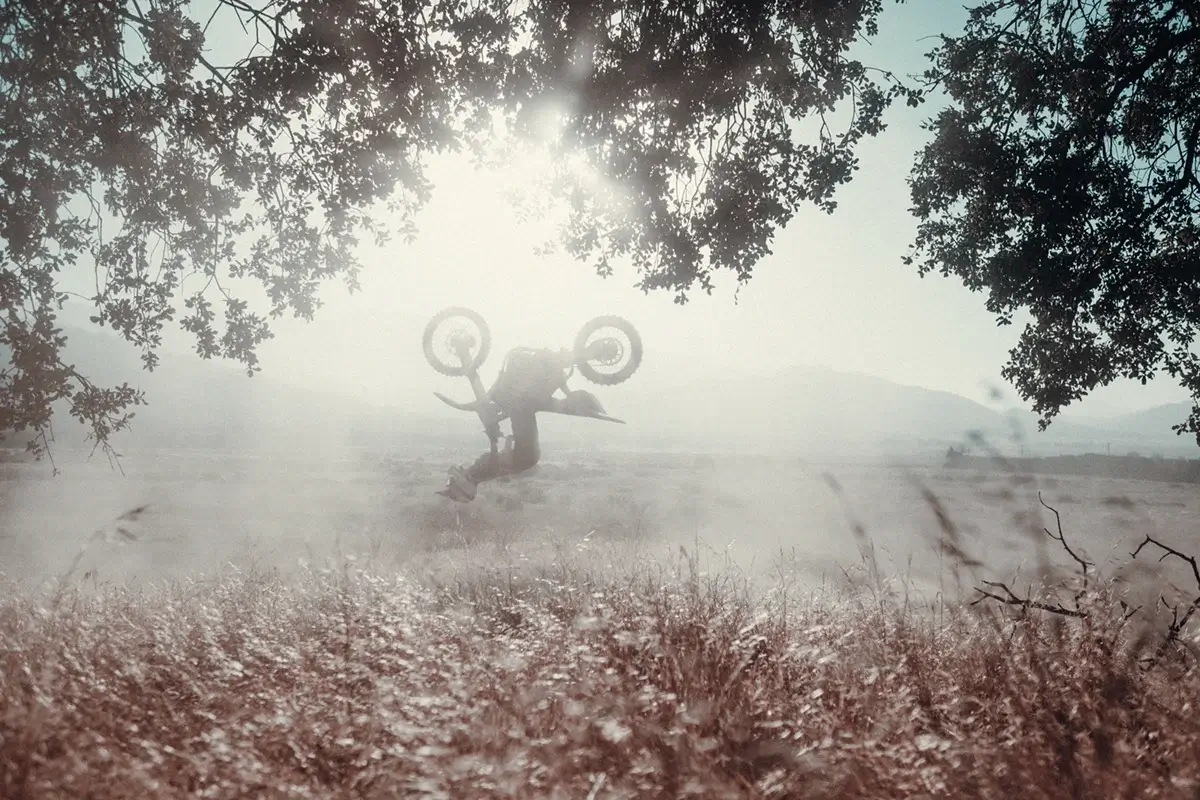
6. Advertising photography by Dean Bradshaw
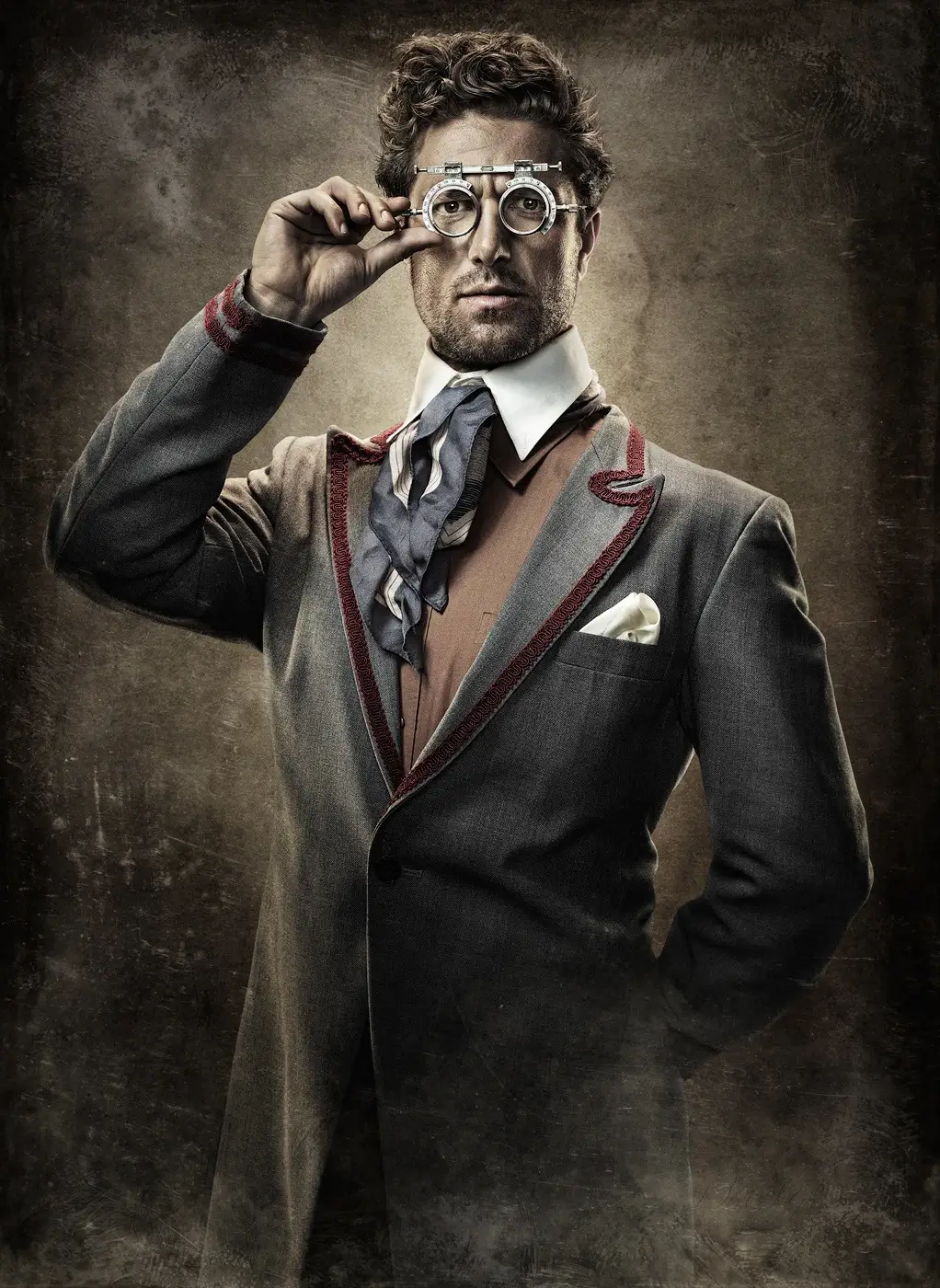
7. Advertising photography by Dean Bradshaw

8. Advertising photography by Dean Bradshaw

9. Advertising photography by Dean Bradshaw

10. Advertising photography by Dean Bradshaw
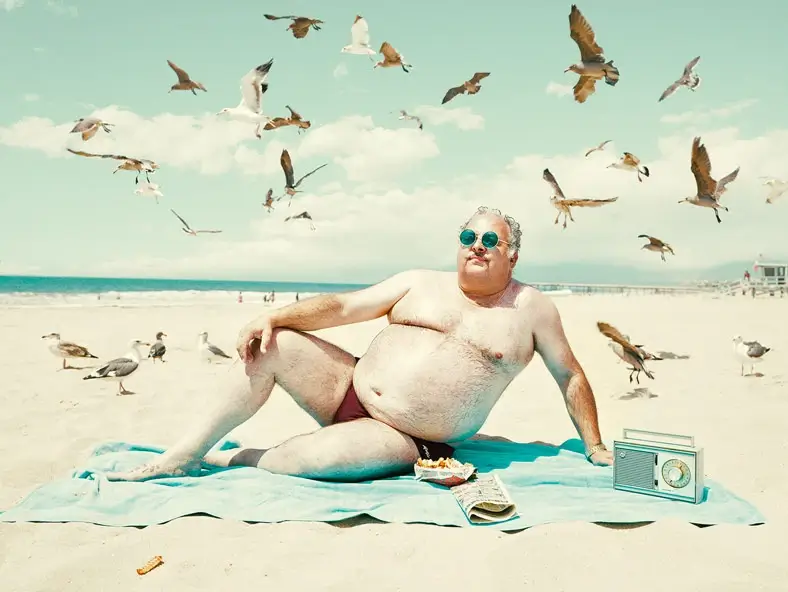
11. Advertising photography by Dean Bradshaw

12. Advertising photography by Dean Bradshaw
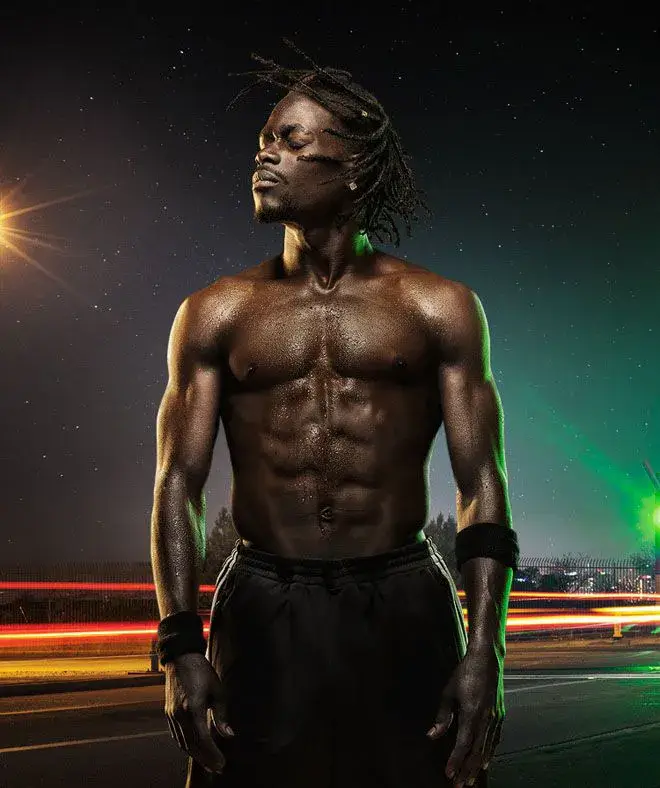
FAQs
Ans: Cinematic editorial photography relies heavily on dramatic, continuous narrative framing, hyper-realistic color grading, and stylized directional lighting ratios. It treats a commercial advertising product setup as a scene from a high-end movie script, immediately scaling brand authority.
Ans: Art directors study Dean Bradshaw’s visual work because of his masterful control over spatial ergonomics, local contrasts, and character expressions. His compositions force the viewer’s eye straight to the underlying commercial concept without breaking narrative flow.
Ans: High-end editorial imagery triggers instant dopamine-driven storytelling. On web landing pages and social media platforms, these cinematic frames have significantly higher thumb-stopping power than generic stock vectors, directly skyrocketing overall conversions.
Don't Miss
World Photography Day: These Images Became a Date In The History

The Best US Colleges for Design in 2020

Why Your Social Media Profile Photo Matters More Than You Think

FoxRenderfarm: A Powerful Render Farm Supports GPU Rendering

Famous Photographers – List of 10 Best Photographers in the World